Understanding Color Psychology in Home Design
Color plays a crucial role in shaping our environment and influencing our mood. Understanding color psychology can help you make informed decisions when designing or refreshing your home. This article explores how specific colors can affect emotions and provides guidance on how to incorporate them effectively into your living space.
The Basics of Color Psychology
Color psychology suggests that different colors evoke distinct emotional responses. According to research by the Institute for Color Research, people make a subconscious judgment about a person, environment, or product within 90 seconds of initial viewing, and between 62% and 90% of that assessment is based on color alone. This highlights the importance of choosing colors wisely in home design.

"Colors can influence our feelings, behaviors, and even perceptions of space, making them a powerful tool in interior design."
Common Color Associations
Here are some common color associations that can be beneficial for your home styling:
- Blue: Often associated with calmness and stability, blue can create a serene atmosphere, making it a popular choice for bedrooms and bathrooms.
- Yellow: This color is typically linked to happiness and energy. Use it in spaces where you want to inspire creativity and cheerfulness, such as kitchens or playrooms.
- Green: Representing nature, green is known to promote relaxation and balance. It works well in living areas or spaces meant for unwinding.
- Red: This color is often viewed as stimulating and can increase energy levels. It might be suitable for dining rooms or areas where social interaction occurs.
- Neutral Colors: Shades like gray, beige, and white can create a sense of calm and allow other colors to stand out, making them effective as base colors in your design.
Applying Color Psychology in Your Home
Incorporating color psychology into your home design often involves a thoughtful approach. Here are some steps to consider:
- Identify the Purpose of the Space: Consider what you want to achieve in each room. For instance, a home office may benefit from colors that enhance focus, like blue or green.
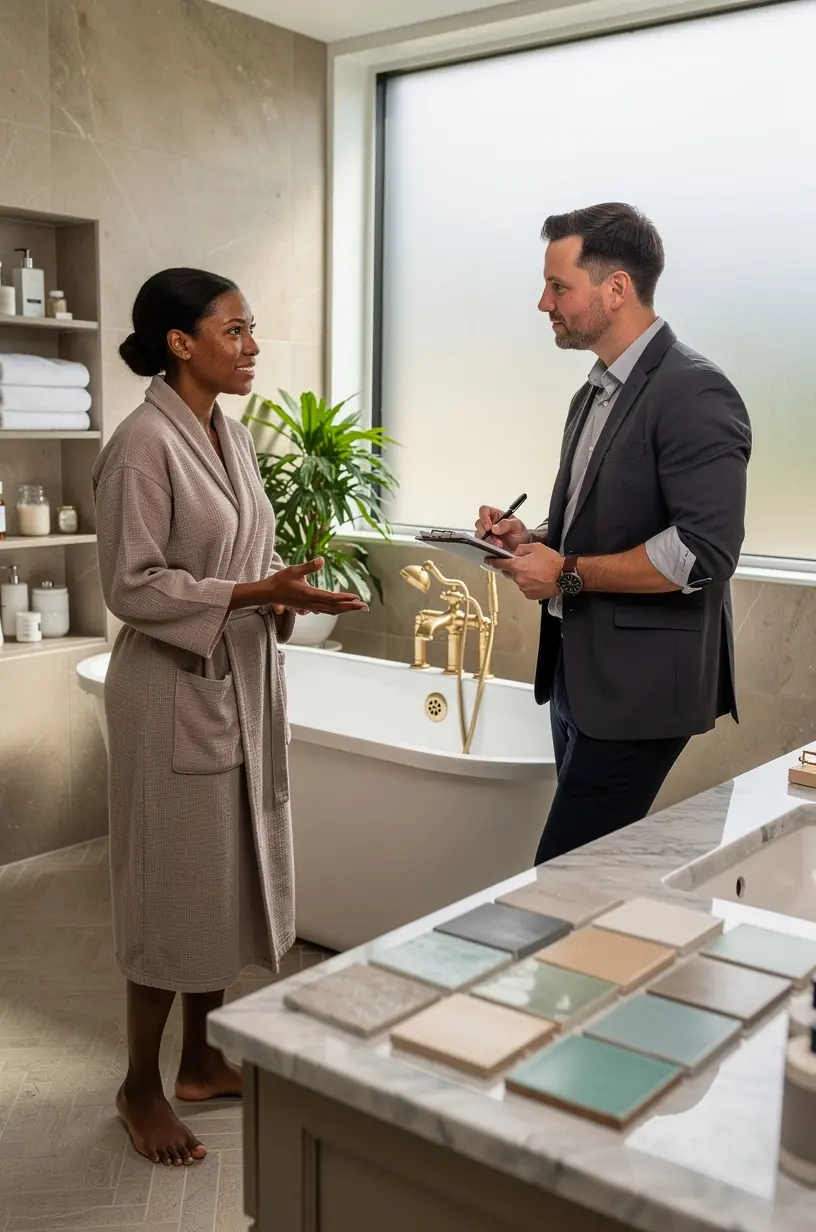
- Test Color Samples: Before committing to a color, test samples on the walls to see how they look at different times of the day. Lighting can significantly affect how a color appears.
- Consider Color Combinations: Look into color harmonies and combinations that work well together. Research indicates that complementary colors can create a visually appealing balance.
- Seek Professional Guidance: If you're unsure, consulting with an interior design professional can provide tailored advice. Many experts recommend using color theory principles for effective design.
Conclusion
Understanding color psychology can significantly enhance your home design, creating spaces that resonate with your emotions and lifestyle. By being mindful of the colors you choose, you can cultivate an environment that reflects your personality and meets your needs. Remember, thoughtful color choices can lead to more satisfying and harmonious living spaces, making it a worthwhile consideration when planning your interior improvements.