Practical Steps for Assessing Your Interior Space
Assessing your interior space can seem daunting, but breaking it down into manageable steps can make the process smoother. Here are practical insights aimed at helping you evaluate your home effectively, ensuring a seasonal refresh that aligns with your lifestyle and preferences.
Understanding Your Space
Before diving into any changes, it's essential to understand the fundamentals of your space. According to experts, taking the time to assess your environment can lead to a more personalized and effective design. Begin with an overview of the main areas in your home: living rooms, bedrooms, kitchens, and offices.
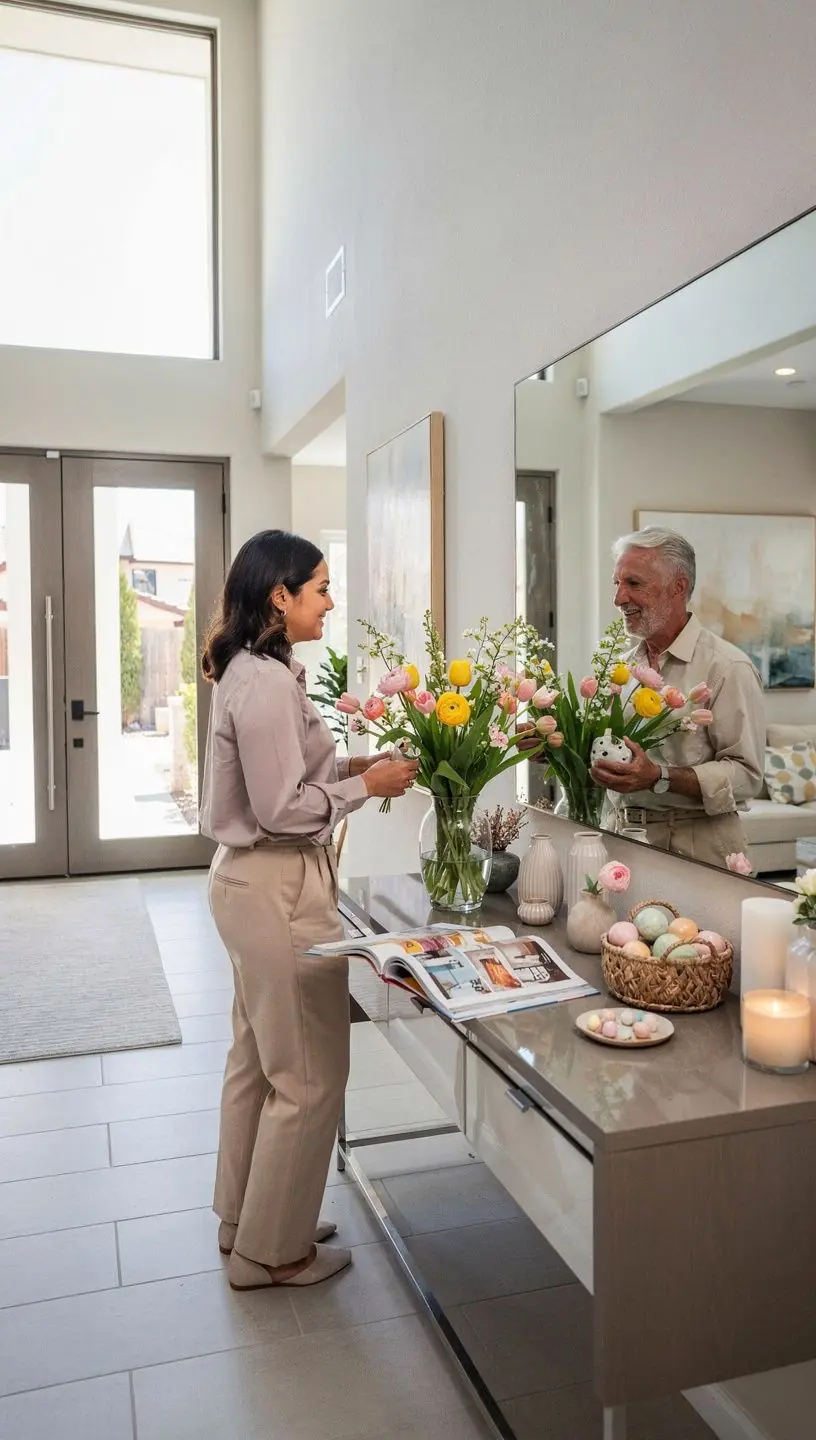
"A well-assessed space can increase functionality and enhance the overall aesthetic experience of your home." - Interior Design Expert
Step-by-Step Assessment Process
- Define Your Goals: Identify what you want to achieve. Are you looking for a fresh seasonal look, increased functionality, or a greater sense of comfort? This step typically requires a few hours of reflection.
- Evaluate Layout and Flow: Walk through your home and note how you move between spaces. Research indicates that a clear flow can enhance daily activities, making it essential for comfort and efficiency.
- Analyze Lighting: Consider both natural and artificial light. Studies show that well-lit spaces can significantly affect mood and productivity, making it crucial to assess lighting sources and their effectiveness.
- Check for Clutter: Assess the level of clutter in your space. Many users report that decluttering can create a more serene environment, often requiring a dedicated effort to complete.
- Assess Color and Texture: Take note of the color scheme and textures present in your home. Experts recommend that certain colors can evoke specific feelings, so understanding your emotional response to your space is vital.
Implementing Changes
Once you have completed your assessment, you can begin implementing changes. Here are some recommendations:
- Prioritize Improvements: Focus on one area at a time. Research indicates that gradual changes often lead to better retention and satisfaction with the new design.
- Incorporate Seasonal Elements: Adapt your decor to reflect the changing seasons. This can include swapping out pillows, artwork, or even paint — a process that tends to take about 1-2 days for smaller changes.
- Consult with Professionals: If you're unsure about your assessment, consider reaching out to home styling studios. Industry experts suggest that a fresh perspective can often highlight opportunities you might have missed.
Conclusion
Assessing your interior space is a valuable exercise that can lead to meaningful improvements in your home environment. By following these practical steps and maintaining realistic expectations regarding time and effort, you can create a space that not only looks good but feels good too. Remember, a well-considered space can significantly enhance your day-to-day experience.