How to Balance Functionality and Aesthetics in Home Styling
Creating a beautiful and functional space can often feel like a balancing act. This article delves into practical strategies and insights to help you harmonize functionality and aesthetics in your home, ensuring each space serves its purpose while remaining visually appealing.
Understanding the Basics
Balancing functionality and aesthetics is essential for any home styling project. According to experts in interior design, spaces that are both functional and beautiful can enhance daily living. Many users report that a well-planned environment can significantly improve mood and productivity. The key lies in understanding how different elements interact to create a cohesive design.

"A space that works well is not only about looks but also how it serves its purpose." - Interior Design Expert
Identifying Your Needs
Before diving into design choices, it's crucial to identify the specific needs of the space. This involves asking questions such as:
- What activities will take place in this room?
- How many people will use the space?
- What are the essential elements that cannot be compromised?
Research indicates that dedicating time to understand these aspects can lead to a more tailored design approach. This process typically takes a few days to reflect and gather ideas, but it sets the foundation for a successful styling project.
Practical Application of Design Principles
Here are some effective strategies to balance functionality and aesthetics:
- Choose Multi-functional Furniture: Opt for furniture that serves multiple purposes, such as a sofa bed or a coffee table with storage. This approach not only saves space but also keeps the room organized and tidy.
- Incorporate Smart Storage Solutions: Use shelves, cabinets, and decorative boxes to maintain a clutter-free environment. A well-organized space can enhance its visual appeal and functionality.
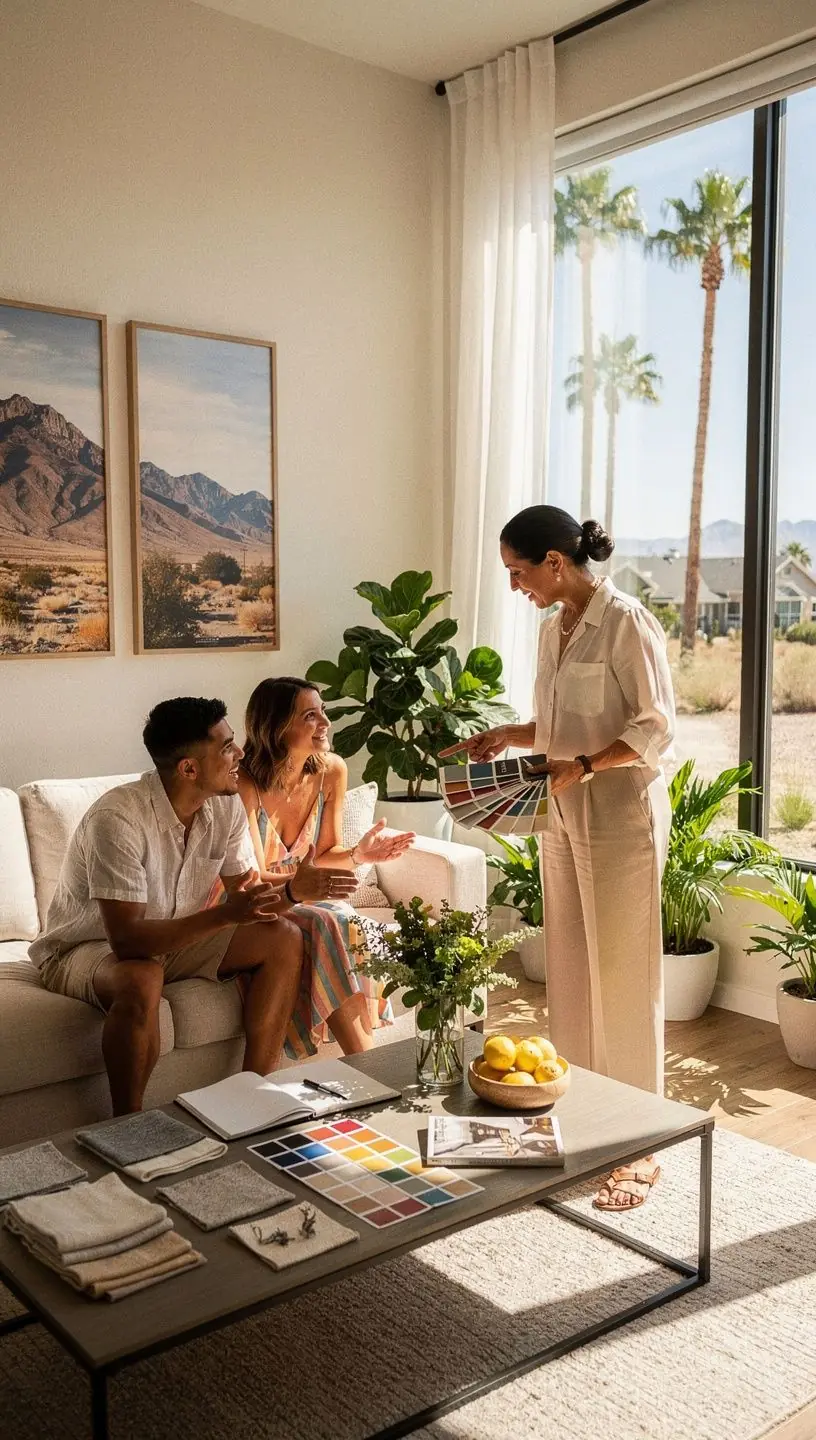
- Focus on Color and Lighting: A well-thought-out color palette can influence the perception of space. Light colors typically make a room feel larger, while appropriate lighting can set the mood and highlight design elements.
These strategies work well when tailored to individual needs, as no single approach will fit every situation. Typically, it takes a few iterations to get the balance just right, but patience and creativity are key.
Conclusion
In conclusion, achieving a balance between functionality and aesthetics is a process that requires thoughtful planning and execution. By understanding the needs of your space, applying practical design principles, and allowing yourself to adapt as you go, you can create an environment that is both beautiful and functional. Remember, the aim is to enhance your living experience, and often, small adjustments can lead to significant improvements in how a space feels and operates.
Learn More